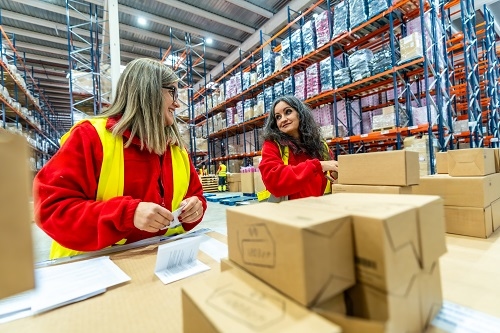
Warehousing is at the heart of modern ecommerce, retail, and supply chain operations. Every product we order online, whether through D2C brands, marketplaces, or omnichannel stores, passes through a warehouse before reaching the customer. Behind this seamless flow is a dedicated team with specialised responsibilities. Understanding warehouse job titles, their duties and required skills is crucial for businesses hiring warehouse staff, as well as individuals planning a career in logistics.
This guide explains the most important warehouse positions, what they do, the skills required, and how each role contributes to smooth warehouse operations. Whether you’re running a growing ecommerce brand, building a logistics team, or exploring warehouse employment, this complete guide gives you clarity on the entire structure.
What Is a Warehouse Job? Understanding the Basics
To understand what a warehouse job is, think of a warehouse as a hub where goods are:
Received from suppliers
Verified for quality
Stored safely
Picked and packed
Dispatched to customers
Returned and restocked
Warehouse jobs include all roles responsible for these activities.
From entry-level pickers to supervisors and forklift operators, each job title ensures products move efficiently within the supply chain.
Warehouse roles are essential in:
E-commerce fulfilment centres
Retail distribution centres
Manufacturing warehouses
Cold storage facilities
Third-party logistics (3PL) hubs
Why Warehouse Positions Are Crucial for E-commerce
As online order volumes increase, warehouses must operate faster and smarter. Efficient warehouse teams ensure:
Accurate picking and packing
Reduced order errors
Faster deliveries
Proper inventory management
Seamless return handling
When integrated with advanced systems like store order management and headless commerce platforms, warehouse staff can manage operations more efficiently, reduce bottlenecks, and support real-time order workflows.
Types of Warehouse Positions: Complete Breakdown
Warehouse teams consist of multiple roles with specific responsibilities. Here is a structured explanation of the most common warehouse job titles and what each role does.
1. Warehouse Worker (General Labourer)
This is the most common entry-level position.
Responsibilities:
Loading and unloading goods
Basic packing and sorting
Keeping the warehouse clean and organised
Assisting senior staff
Warehouse experience means (for this role):
Hands-on physical work involving manual lifting, basic tools, and general operations.
2. Warehouse Picker (Order Picker)
One of the most essential warehouse positions in e-commerce fulfilment.
Duties:
Locate items using barcodes or handheld devices
Scan and pick products for orders
Check for product accuracy
Move items to packing stations
Why this role matters:
Pickers directly influence order accuracy and customer satisfaction.
3. Warehouse Packer
The Packers ensure products are safely packed before shipping.
Duties:
Packing products in boxes
Adding protective materials
Labelling orders
Ensuring weight accuracy
Packers often work in coordination with pickers to speed up fulfilment.
4. Inventory Control Specialist
This is a more technical warehouse job title involved in inventory accuracy.
Responsibilities:
Stock counting and audits
Managing SKUs and bin locations
Identifying missing or damaged items
Updating inventory software
Inventory specialists work closely with order management systems to maintain real-time stock levels across channels.
5. Warehouse Associate
Often, a hybrid role combines picking, packing, sorting, and scanning.
Duties include:
Receiving shipments
Inspecting goods
Assisting in order fulfilment
Handling returns
Associates provide operational flexibility in busy periods.
6. Warehouse Clerk (Documentation Role)
This role focuses on paperwork and system entries.
Responsibilities:
Creating invoices and dispatch documents
Maintaining inventory records
Coordinating with logistics partners
Updating digital systems
This role bridges warehouse operations with administrative processes.
7. Receiving Clerk
Manages the inbound flow of goods.
Duties:
Checking incoming shipments
Verifying purchase orders
Reporting damaged or missing items
Updating the system with the received stock
This is a key role for maintaining inventory accuracy.
8. Shipping Clerk
Handles outbound shipments.
Responsibilities:
Preparing shipping labels
Coordinating dispatch schedules
Arranging courier pickups
Tracking shipment status
Shipping clerks ensure timely deliveries and accurate dispatch.
9. Forklift Operator / Equipment Operator
Roles that require certification and machinery training.
Equipment operated:
Forklifts
Pallet jacks
Reach trucks
Stackers
Conveyor belts
Duties:
Moving heavy pallets
Stacking goods
Loading trucks
Maintaining safe movement of stock
Among all warehouse job titles, this one is critical for large distribution centres.
10. Warehouse Supervisor
A mid-level management position overseeing daily operations.
Responsibilities:
Managing picker/packer teams
Monitoring productivity
Ensuring safety compliance
Coordinating with logistics and inventory teams
Supervisors ensure the warehouse runs smoothly across shifts.
11. Warehouse Manager
A senior role with strategic responsibilities.
Duties include:
Planning manpower
Managing budgets
Creating operational SOPs
Improving warehouse efficiency
Handling escalations
Warehouse managers also evaluate new systems like headless commerce integrations or warehouse automation tools.
12. Quality Control Inspector
Focused on product condition and packing quality.
Responsibilities:
Inspecting goods before packing
Checking customer returns
Approving items for dispatch
Identifying defect patterns
This role ensures products meet brand standards.
13. Returns Processor (Reverse Logistics Specialist)
With e-commerce returns rising, this role has become extremely important.
Responsibilities:
Receiving returned products
Inspecting for damage
Updating system records
Restocking or rejecting items
Returns specialists help reduce financial losses from returns.
14. Safety Officer
Warehouses must follow strict safety protocols.
Key duties:
Conducting safety audits
Ensuring PPE compliance
Preventing workplace accidents
Training employees
Safety officers help maintain a healthy work environment.
15. Maintenance Technician
Handles maintenance of warehouse equipment and systems.
Responsibilities:
Repairing forklifts
Maintaining conveyor belts
Troubleshooting automation equipment
Ensuring minimal downtime
This role is essential in warehouses that rely heavily on machinery
Skills Required for Warehouse Positions
Despite varying responsibilities, most warehouse roles share a set of essential skills.
Core skills include:
Attention to detail
Physical stamina
Basic computer/scanner knowledge
Team coordination
Time management
Safety awareness
Problem-solving
Ability to follow SOPs
Higher-level roles require skills such as leadership, data interpretation, inventory management, and process improvement.
Warehouse Experience Meaning (Explained)
When job descriptions mention warehouse experience, they typically mean:
Familiarity with warehouse tools
Understanding of picking/packing workflows
Ability to scan and handle barcodes
Experience managing or moving inventory
Basic safety knowledge
Working in fast-paced environments
Experience is measured not just in years, but in exposure to daily warehouse tasks.
How Warehouse Roles Integrate With E-commerce Technology
Modern warehouses operate using advanced systems that sync with e-commerce platforms, marketplaces, and point-of-sale systems.
Example technologies include:
Automated picking systems
Barcode scanner
Warehouse management software
Real-time store order management platforms
Integrations with headless commerce setups
Warehouse roles today require comfort with digital workflows and fast-moving operational tools.
FAQs
1. What are the most common warehouse job positions?
Common roles include warehouse workers, pickers, packers, inventory specialists, shipping clerks, forklift operators, supervisors, and warehouse managers.
2. What does a warehouse picker do?
A picker locates items in the warehouse using barcodes or scanning devices, ensures product accuracy, and moves them to packing stations.
3. What skills are required for warehouse roles?
Key skills include attention to detail, physical strength, time management, basic computer knowledge, teamwork, and the ability to follow safety guidelines.
4. How does a warehouse supervisor’s role differ from entry-level positions?
Supervisors manage teams, coordinate workflows, monitor performance, and handle escalations, whereas entry-level roles focus on hands-on tasks like picking, packing, and sorting.
5. Which warehouse positions involve operating machinery or equipment?
Forklift operators, pallet jack operators, reach truck drivers, conveyor system operators, and maintenance technicians operate machinery and must be trained or certified.
Conclusion
Warehouse operations are the backbone of e-commerce and retail fulfilment. Understanding warehouse job titles and their responsibilities helps businesses hire the right talent and helps job seekers understand what each role requires. From entry-level pickers to supervisors, managers and equipment operators, each position plays a vital role in ensuring products move seamlessly through the supply chain.
Modern warehouses rely on digital tools like store order management systems and headless commerce platforms, making these roles more dynamic, efficient, and technology-driven than ever before. As e-commerce continues to grow, skilled warehouse teams will remain essential for fast deliveries and operational excellence.